GLP-1 medications have changed the weight loss industry.
Clinics are scaling fast. Telehealth platforms are expanding. Consumer demand is at an all-time high.
And for many patients, the results are real.
But if you run a weight loss center or GLP-1 program, you already know the other side of the story:
- Some patients lose weight quickly.
- Some stall unexpectedly.
- Some feel fatigued or frustrated.
- Some drop off entirely.
- And some regain weight after discontinuing therapy.
So the real question isn’t:
“Do GLP-1s work?”
The real question is:
“How predictable are the outcomes — and how do we reduce the risk of non-response and drop-off?”
That’s where metabolic insight changes the game.
The Hidden Variable in GLP-1 Programs
GLP-1s influence appetite, glucose regulation, and metabolic pathways. But your patients don’t start from the same biological baseline.
Some begin therapy with:
- High systemic inflammation
- Impaired fat oxidation
- Elevated metabolic stress
- Reduced adaptive resilience
Others start from a very different place.
When you treat all patients as biologically identical, variability shows up as:
- “Non-responders”
- Plateau frustration
- Retention problems
- Churn
What’s missing in most GLP-1 programs isn’t medication.
It’s measurement.
Why Weight Alone Is Not Enough
Weight is a lagging indicator. By the time the scale stalls:
- Biology has already shifted.
- Adaptation has already occurred.
- Stress signals may already be elevated.
Without insight into what’s happening beneath the surface, your team is left guessing. And guesswork doesn’t retain patients.
Making GLP-1 Outcomes More Predictable
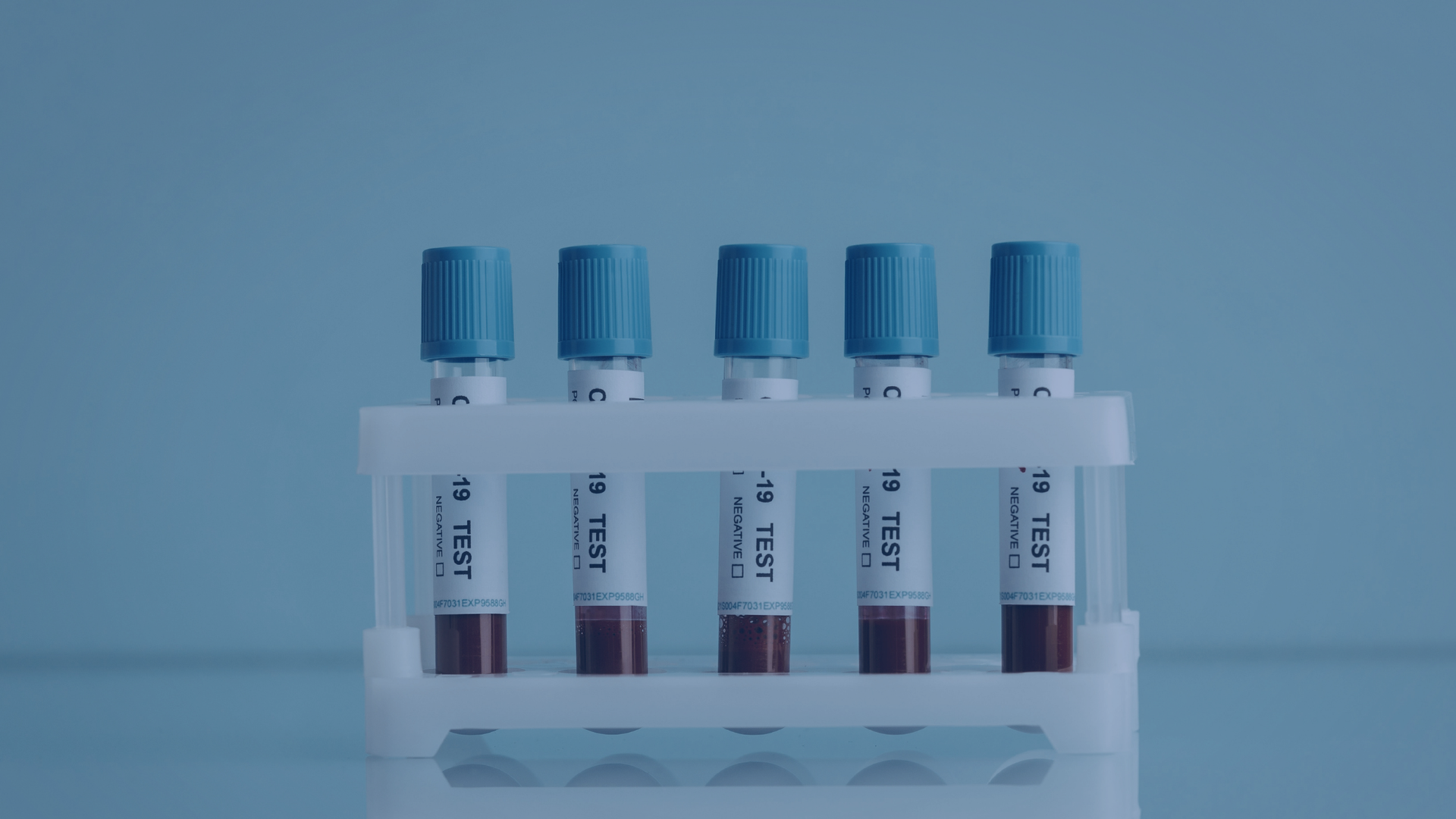
This is where molecular monitoring - specifically the iXpressGenes
Weight Loss & Metabolic Resilience (WLR) Panel - becomes strategically valuable for B2B operators.
WLR gives weight loss centers visibility into:
- Inflammatory load
- Metabolic stress signaling
- Fat oxidation efficiency
- Adaptation patterns over time
Instead of asking,
“Why isn’t this patient losing weight?”
You can ask,
“What is their metabolism telling us?”
How Weight Loss Centers Can Use WLR in Their Business Model
1. Baseline Metabolic Profiling at Program Start
Before or at GLP-1 initiation, WLR establishes a biological baseline.
This allows your team to:
- Segment higher-risk patients
- Identify inflammation-related barriers
- Personalize early interventions
- Set realistic expectations
For your business, this means:
- Fewer surprises
- Better communication
- Stronger confidence from day one
2. Plateau Diagnostics That Protect Retention
Plateaus are one of the biggest drivers of discontinuation. When weight stalls, patients assume the therapy has “stopped working.”
With WLR, you can:
- Explain what’s happening biologically
- Show internal progress even if the scale is flat
- Adjust nutrition, resistance training, or recovery strategy
- Reinforce commitment to the program
That changes the conversation from frustration to strategy. And retention improves.
3. Premium Monitoring Tiers
GLP-1 programs are rapidly commoditizing. The clinics that win won’t be the cheapest — they’ll be the most insightful.
WLR enables:
- Premium tiers that include molecular monitoring
- Re-testing cadences (e.g., baseline + 12 weeks + maintenance)
- Subscription-based metabolic tracking models
- High-value consults tied to objective data
This supports:
- Higher lifetime value per patient
- Differentiation in crowded markets
- Stronger justification for premium pricing
4. Structured Off-Ramp & Maintenance Strategy
Weight regain after GLP-1 cessation is real — and it’s damaging to brand trust. WLR can be used to:
- Assess metabolic resilience before tapering
- Monitor inflammatory rebound risk
- Guide structured maintenance protocols
This turns your program into a managed metabolic lifecycle — not a short-term intervention.
From Weight Loss Program to Metabolic Resilience Platform
Most GLP-1 centers position themselves as:
Weight loss providers.
But with molecular insight, you can position your organization as:
A measurable metabolic resilience and systemic anti-inflammatory platform.
GLP-1s are increasingly associated with broader anti-inflammatory effects and chronic disease risk reduction.
With the right metabolic data, you can:
- Quantify biological shifts beyond weight
- Support cardiovascular and systemic health positioning
- Demonstrate outcomes beyond aesthetics
That matters to:
- Patients
- Employers
- Payers
- Investors
Why This Matters for B2B Operators
As GLP-1 adoption increases, so does competition. Your long-term success will not be determined by:
- Prescription access
- Marketing volume
- Price competition
It will be determined by:
- Retention
- Measurable outcomes
- Differentiation
- Revenue per patient
Molecular monitoring through WLR helps you:
- Reduce drop-off
- Increase program stickiness
- Improve perceived value
- Build recurring revenue streams
Do GLP-1s Work for Everyone?
The honest answer is:
They work better when the biology is understood.
Weight loss outcomes become more predictable when you:
- Establish baseline metabolic status
- Monitor inflammatory and adaptive signals
- Intervene early
- Personalize based on data
GLP-1 is the intervention. WLR is the insight layer.
Together, they create a more stable, scalable, and defensible weight loss business model.